Hurricane Preparedness for Florida Homeowners: What You Need to Know Before the Storm
Florida sunshine comes with a storm season. Be ready.
Mar 27, 2026
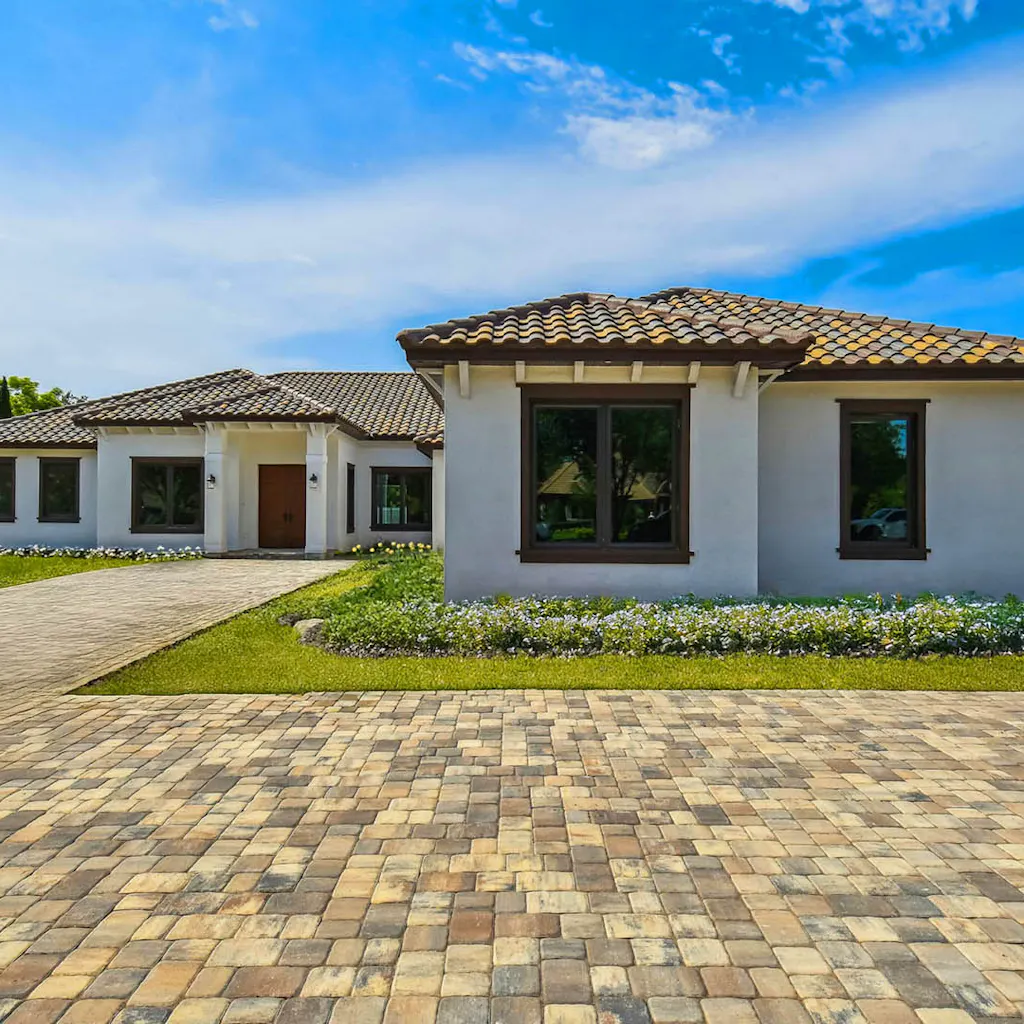
Table of Contents
Florida living has a lot going for it. Year-round sunshine. Waterfront views. Warm evenings and outdoor lifestyles that most of the country can only dream about. But life in the Sunshine State also comes with a seasonal reality every homeowner should take seriously: hurricane season.
From June through November, Florida sits in the crosshairs of the Atlantic hurricane belt. Whether you live in Tampa Bay, Sarasota, Naples, or along the Treasure Coast, preparing your home for hurricane season is not optional; it is essential.
This guide offers practical hurricane safety tips for Florida homeowners. It explains how smart building choices can make a real difference when a storm is approaching.
Why Hurricane Preparedness in Florida Is a Year-Round Priority
Florida sees more landfalling hurricanes than any other U.S. state. The combination of warm Gulf waters, flat coastal terrain, and dense residential development makes much of Florida especially vulnerable to storm surge, high winds, and flooding.
Hurricanes are not just a coastal problem. Inland communities face significant risks from wind damage, tornadoes, and flash flooding. This is why hurricane preparedness in Florida is a statewide concern, not just a beachfront issue.
The good news? A well-prepared homeowner and a well-built home can weather most storms with far less damage and stress.
Florida Hurricane Preparation Checklist: Where to Start
Preparation should begin well before a storm is named or forecast. Here is a practical starting point for any Florida homeowner.
Exterior Home Inspection
- Inspect your roof annually for loose or missing shingles.
- Check that gutters and downspouts are clear and secured.
- Trim trees and large shrubs near the home. Overhanging branches become projectiles in high winds.
- Anchor or store outdoor furniture, grills, and decorative items before a storm.
- Inspect garage doors. Standard doors are a common failure point in hurricanes.
- Review the condition of shutters, impact windows, and doors.
Interior and Emergency Readiness
- Stock at least 72 hours of food, water, and medications.
- Keep important documents: insurance policies, IDs, deeds in a waterproof container.
- Know where your utility shutoffs are located.
- Maintain a battery-powered or hand-crank weather radio.
- Charge portable power banks and keep backup lighting accessible.
- Review your homeowner's insurance policy before storm season begins. Understand your flood insurance separately. Standard policies rarely cover it.
Preparing Your Home for Hurricane Season in Florida: Building Considerations That Matter
For homebuyers considering new construction in Florida, hurricane resilience is among the most important factors to evaluate. Not all homes are built the same way, and in Florida, the difference can be significant.
Florida Building Codes and Wind Resistance
Florida adopted some of the nation’s strictest residential building codes following Hurricane Andrew in 1992. The Florida Building Code now mandates minimum wind-resistance standards based on wind speed maps for each region.
Coastal zones and High-Velocity Hurricane Zones (HVHZ), which include Miami-Dade and Broward counties, have even more demanding requirements. If you are building or buying in these areas, confirming code compliance is non-negotiable.
Lot Selection and Elevation
Lot elevation matters enormously in Florida. Homes in FEMA flood zones face higher insurance premiums and greater storm surge exposure. Building above Base Flood Elevation (BFE) can reduce both risk and long-term cost.
Inland lots generally carry lower wind and surge exposure than coastal lots, though they are not risk-free. Understanding your lot's flood zone designation before you build or buy is one of the smartest steps you can take.
Hurricane-Resistant Features Worth Prioritizing
When evaluating a new home in Florida, the following features offer meaningful protection.
- Impact-resistant windows and doors. Rated for the local design wind speed.
- Reinforced roof-to-wall connections using hurricane straps or clips.
- Hip roofs rather than gable-end designs. Hip roofs perform better under high winds.
- Concrete masonry unit (CMU) or Insulated Concrete Form (ICF) construction for enhanced structural rigidity.
- Elevated foundation construction in flood-prone areas.
- Whole-home generators for extended power outages.
- Storm-resistant garage doors rated to local wind loads.
Final Thoughts: Preparedness Starts Before You Build
The best time to think about hurricane preparedness in Florida is before construction begins, not after the storm forecast appears on the news. Smart site selection, thoughtful design, and quality construction are the foundation of a home that handles Florida's weather with confidence.
Whether you are in the early stages of planning a custom build or still weighing your options as a buyer, understanding how your home is built matters. Florida offers an extraordinary quality of life. With the right preparation and the right home, storm season does not have to get in the way of enjoying it.
Share this article
Last updated on Sep 25, 2026