What Happens Beneath the Slab: Understanding Underground Plumbing in New Home Construction in Tampa Bay
Underground plumbing in Tampa Bay homes explained
Jan 30, 2026 · 4 mins min read
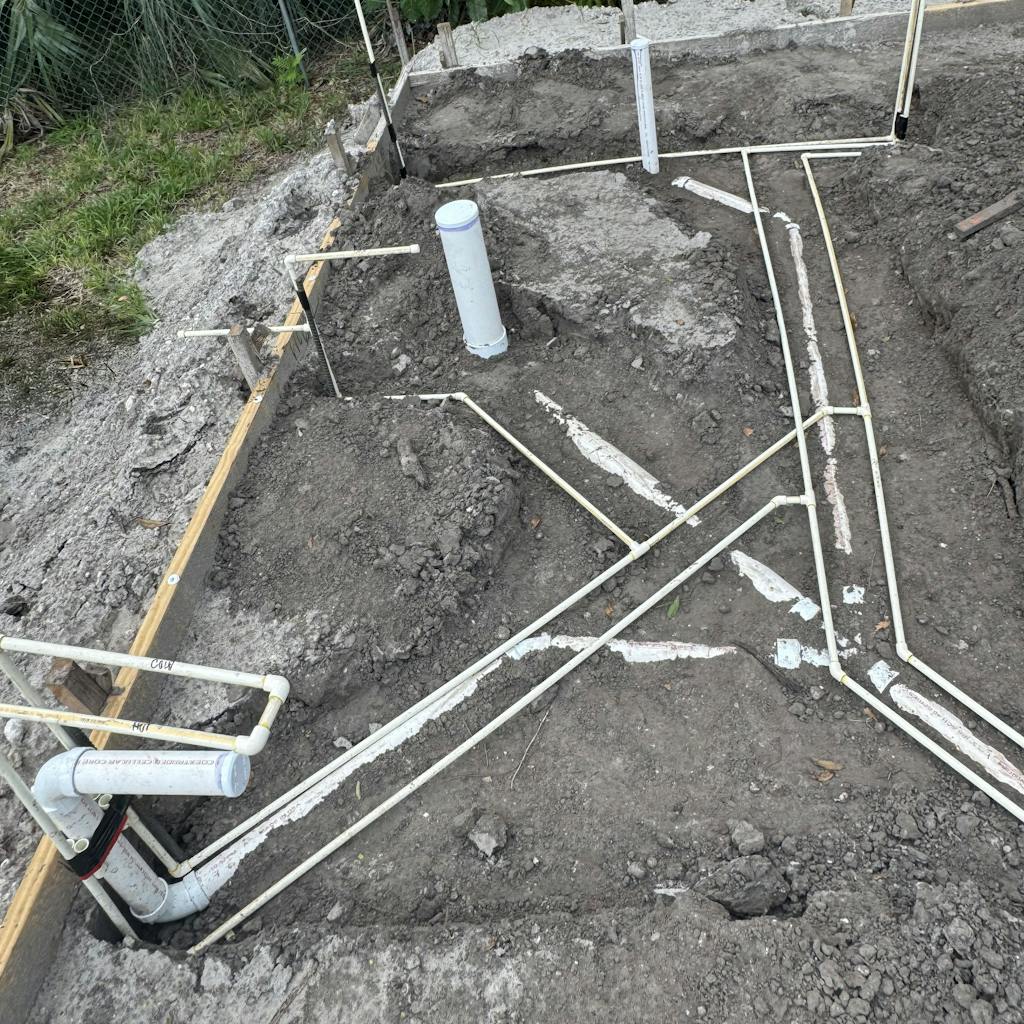
Table of Contents
When building a new home in the Tampa Bay area, homeowners often focus on design details, finishes, and curb appeal. However, some of the most critical work happens out of sight, beneath the concrete slab. Underground plumbing plays a vital role in the performance and longevity of any home, especially in Florida’s unique soil and environmental conditions.
For luxury new home construction in Tampa, Clearwater, Pinellas County, and Hillsborough County, properly planned slab plumbing is essential.
What Is Underground Plumbing in New Homes?
Underground plumbing, often called plumbing under slab, refers to the network of water supply lines, drain pipes, and sewer connections installed below a home’s concrete foundation. These systems deliver clean water to kitchens and bathrooms while safely removing wastewater.
In residential plumbing installation, underground plumbing must account for:
- Sandy and coastal soil conditions
- High water tables in parts of Pinellas County
- Local building codes in Hillsborough County and surrounding municipalities
Because the plumbing is installed before the slab is poured, accuracy and experience are critical. All underground plumbing must be inspected and approved by local building departments before backfill or concrete pour (City of Tampa – Residential Inspections Guide).
The Underground Plumbing Process for New Home Construction in Tampa & Clearwater
Planning and Layout
Before any excavation begins, builders create a detailed plumbing layout based on the home’s floor plan. This planning ensures efficient water flow, proper drainage slopes, and compliance with Tampa and Pinellas County building codes (Hillsborough County Construction Code).
Proper planning during underground plumbing in residential construction helps reduce future maintenance issues and ensures the plumbing aligns perfectly with the home’s final layout.
Plumbing Rough-In and Local Inspections
The plumbing rough-in stage is when underground pipes are installed, but not yet connected to fixtures. Trenches are dug, pipes are positioned, and connections are secured.
In both Hillsborough and Pinellas Counties, a plumbing inspection is required before a concrete pour (Pinellas County Building & Development Review Services). Inspectors verify that:
- Pipes meet Florida Building Code standards
- Proper slopes and venting are in place
- Materials are approved for underground use
Only after passing inspection can the slab pour proceed.
Pipe Installation, Testing, and Quality Control
Once installed, the system undergoes pressure testing and leak checks. This confirms reliability before concrete permanently encases the pipes.
Experienced builders may also use trenchless plumbing installation techniques when appropriate, minimizing soil disruption, an advantage for high-end custom homes in Tampa and Clearwater.
At this stage, underground electrical conduit may also be installed for garages, outdoor outlets, and low-voltage wiring. These systems are inspected separately (City of Tampa – New Residential Construction Inspections).
Preparing for the Concrete Slab Pour
After inspections, pipes are secured, sleeved, and protected. Expansion sleeves help prevent stress on pipes once the slab cures. An important consideration in Florida’s fluctuating temperatures and soil conditions.
Common Slab Plumbing Issues and How to Avoid Them
Some of the most common issues seen in Florida homes include:
- Improper pipe slopes leading to drainage problems
- Leaks caused by poor joint sealing
- Incorrect material selection for local soil conditions
Avoiding these common plumbing mistakes under the slab requires professional oversight. Experienced builders focus on preventing plumbing issues under slab foundations by following strict installation and inspection standards (Florida Owner-Builder Permit Guide).
Materials Used in Underground Plumbing for Florida Homes
Choosing the right materials is especially important in new construction. Common materials used in underground plumbing for homes include:
- PVC piping for drain and sewer lines due to corrosion resistance
- PEX tubing is used for water supply lines because of its flexibility and durability
- Protective sleeves to guard against soil movement
These materials are selected to withstand Florida’s climate and long-term use.
Why Proper Slab Plumbing Matters
Once the concrete slab is poured, underground plumbing becomes difficult and costly to access. That’s why the importance of proper slab plumbing is amplified in high-end new home construction in Tampa, Clearwater, and surrounding areas.
Benefits include:
- Reduced risk of slab leaks
- Better drainage and water flow
- Lower long-term maintenance costs
- Increased home value and durability
For custom homes in Pinellas and Hillsborough County, quality underground plumbing is a critical investment.
Building From the Ground Up With Parasol Properties
While underground plumbing may never be visible, it’s one of the most important systems in your home. From careful planning and code-compliant installation to rigorous inspections, every detail beneath the slab matters.
For more information on inspection requirements for underground plumbing and electrical conduit in Tampa Bay, check these official resources:
Share this article
Last updated on Sep 25, 2026